
Controlling Your Temper
 Question: When I get angry, I blow up so fast that I don’t have time to stop and think or ask for God’s wisdom. I know all of these things would help, but by the time I think of it I’ve already done the damage. What can I do to help get control of my temper and the rage within?
Answer: Dear Friend; It seems to me that anger results from a combination of sources: low self-worth, recurring patterns, disappointments, revenge, spiritual warfare, depression, fears, sin and/or selfishness, inability to communicate assertively, too much stress and other emotional or relationship problems.
What Happens? Anger immediately rears it’s ugly head within 1-3 seconds of a provoking incident. You need to learn how to prevent such an overpowering emotional response & how to respond in healthy ways to the triggering events. Some people hold their anger inside and then, blow-up later on at a small trigger.
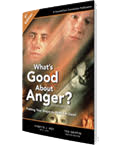
Take the following steps: Write out and log recent times of anger. Explore what happened, what the issue was, how you felt and what resulted. Then think of some times in the past when you were able to control your anger… probably at work… how did you control it? What did you do or say? What did you tell yourself to calm down? Most people tend to be able to control their anger at times. thus proving that they can have control over it. Order the book What’s Good About Anger? and take the Anger Survey in the first chapter.
Learn to take time-outs immediately. You can walk away from situations/people who trigger your anger. Give yourself time to cool off: 10-20 min. Take a run, pray and think about what it is that you are really upset about.
Explore: What is the real issue and what are the feelings underlying your anger? What do you want to request from the person? How can you negotiate or compromise some conflict you are having?
Avoid lots of caffeine. Completely avoid alcohol and drugs, unless you are taking a prescription. Caffeine increases the metabolism, heart rate and blood pressure, and causes mood irritability. Alcohol and drugs may give a person a “high” or mellow feeling at first and will seem to relieve stress but the effects are temporary and soon after you will actually feel more irritable, and depressed and angry feelings will not only return but usually escalate.
What else is going on? You may be dealing with a lot of stress or loss. This needs to be explored and worked through possibly with the help of a counselor. Explore how you can decrease stress in your life.
Begin an exercise program so that you can work off some of the stress in your life physically.
Learning to communicate assertively is one of the most important tools for expressing your anger in a healthy way. Share more openly & lovingly your needs, requests and opinions with others. Start setting boundaries so that you are not taking on other people’s responsibilities. Read about Assertiveness. Depression can play a part in anger or vice versa. I would encourage you to go to counseling and see a psychiatrist for a diagnosis and the appropriate medication. You can contact http://www.aacc.net/ for a referral to a counselor and psychiatrist in your area. Read more on Depression at CounselCare Connection.org. Exercise is also an important way to decrease depression.
~ © copyright 2005 by Lynette J. Hoy, NCC, LCPC. Lynette is a Marriage and Family Counselor with CounselCare Connection and National Certified Counselor. She is the co-author of What’s Good About Anger? and a speaker for community, women’s and church organizations.